What Are the Risks of Aluminum Wiring?
Aluminum wiring overheats at connections more easily than copper, raising fire risk insurers want fixed before they'll cover the house.
Free to compare
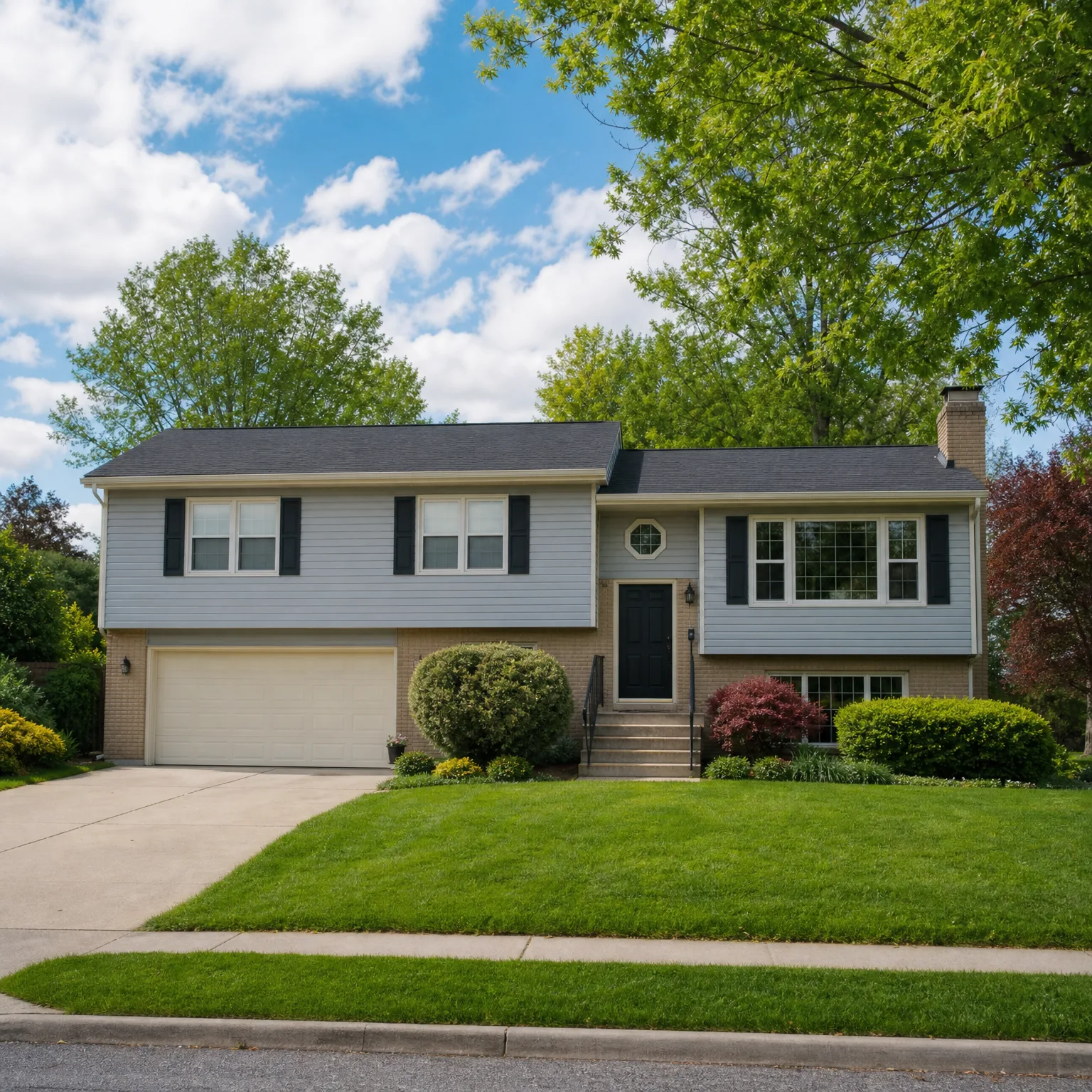
Insurers worry about the connections, where aluminum wire meets a switch, outlet, or breaker. The metal expands and contracts more than copper does, so those connections loosen over time, and a loose connection heats up. That is where fires start. If your house was built in the 1960s or 1970s, this is likely why you got the letter. An electrician can check whether the wiring was pigtailed with copper or fitted with connectors rated for aluminum, and a report showing that work was done is often enough to get coverage back.
A wiring report can change the answer
One insurer may require a full rewire. Another may accept an electrician's report showing the connections were fixed. Comparing quotes shows which approach gets your house covered without overpaying.
Can aluminum wiring be fixed without replacing it
Replacing every run of aluminum wire in a house is expensive, and most of the time it is not necessary. The risk is at the connections, not in the wire itself, so the usual fix works on the connections. An electrician either pigtails each outlet and switch with a short piece of copper wire, joined to the aluminum with a connector rated for the two metals, or replaces the outlets and switches with ones listed as safe for aluminum wiring. Both methods are recognized by electrical codes and by most insurers as a real fix, not a workaround.
How much this costs depends on the size of the house and how many connections need work. A smaller house with one electrical panel runs lower than a larger one with additions or a finished basement that added circuits over the years. Get an estimate from a licensed electrician, not a general contractor, since this is specialized work and not every electrician does it regularly. Ask whether they are familiar with aluminum wiring repairs specifically.
The report that comes out of this work matters as much as the work itself. Insurers want to see which outlets and switches were inspected, what was found, and what was done at each one. A one-line note saying 'aluminum wiring addressed' is not going to carry the same weight as a detailed report listing each connection point. Keep a copy for yourself as well as the one sent to the insurer, since you may need it again at renewal or if you sell the house.
Some homes have a mix of aluminum and copper wiring, often because a room was added or rewired at some point. If that is the case, the report should say so, pointing out which circuits are aluminum and which are copper. An insurer looking at a full rewire quote versus a pigtailing report with documentation will often accept the cheaper fix, since the fire risk comes from the connections either way, and fixing the connections addresses that directly.
How do I know if my house has aluminum wiring
The easiest way is the panel. Turn off the main breaker, remove the cover, and look at the wire going into each breaker. Copper is reddish or dull orange. Aluminum is silver or dull gray, closer to the color of a dime. If you are not comfortable opening the panel, an electrician can check this in a few minutes without doing anything invasive.
Outlets and switches give hints too. Older aluminum wiring often has 'AL' or 'Aluminum' printed on the sheathing where it is visible, like at an outlet with the cover plate off. Some outlets from that era are stamped 'CO/ALR' on the back, meaning they were rated for aluminum. If yours just say 'CU' or have no marking, that is more often a sign of copper, though the only sure way is to look at the wire itself.
The build year narrows it down before you look at anything. Aluminum wiring for branch circuits, the ones running to outlets and switches, was mainly used between 1965 and 1973, when copper prices were high. If an addition or renovation happened in that window, even in an otherwise newer house, the wiring from that period could be aluminum while the rest is copper. Permit records or a past inspection report, if you have one, sometimes note this.
If none of that settles it, a licensed electrician can confirm it during the same visit where they assess the connections. That visit does double duty. It answers whether the wiring is aluminum, and it starts the inspection report an insurer will want to see. Worth asking for both at once rather than paying for two separate visits.
Before the deadline on your letter
Check the build date against 1965 to 1973, then get an electrician's report on the connections, not just the wiring. That report is what gets the letter reversed.